Dial-a-Tree Virtual Tree Nursery
Tree Stuff Blog
Ribbonwood – Houhere - a strong, hardy native shelter tree - by Ben Gaia, www.dialatree.co.nz
www.dialatree.co.nz
The exotic Alder (Alnus spp) is gaining popularity as a brilliant all round farm tree, hardy and adaptable. But for some people a native plant is preferred to an exotic. Native shelter belts and river bank planting on farms can enhance the flow of native bush areas and link up natural, local bush corridors for nature, water retention, wildlife, and above all, shelter for the animals. Also, native trees can often be the best adapted to the climate and soil challenges of a certain region. Some exotics that adapt too well turn out to be weeds and spread where they are not wanted. Ribbonwood can be a good alternative.
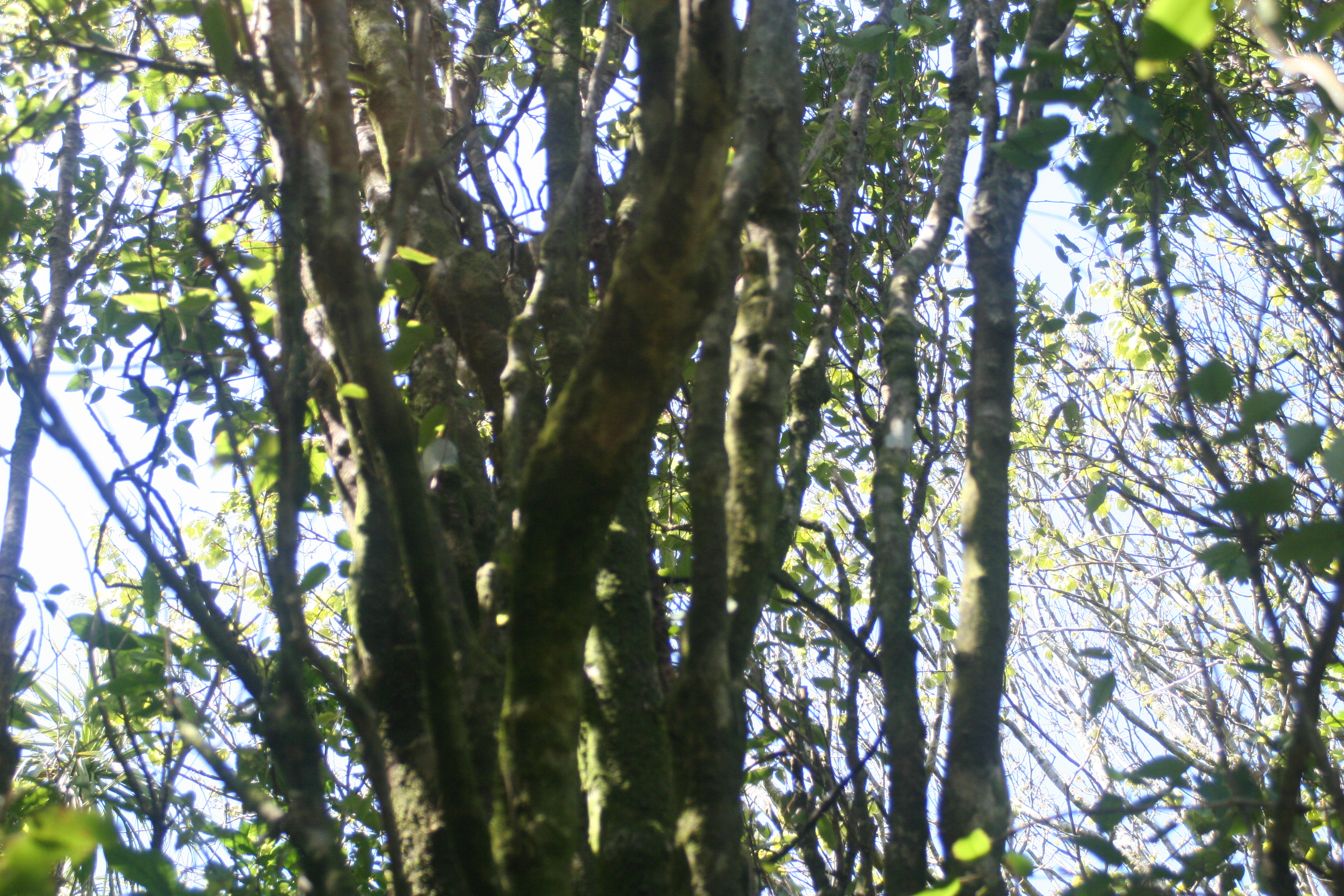
Older trees form multiple trunks and good shelter.
While people often think of native trees as being more fussy and harder to establish than exotic trees, some native small trees, like fast mahoe and windproof "black scrub", are very quick to establish. Another native shelter tree quick to get growing is the Ribbonwood tree, (Houhere). Ribbonwood is starting to be appreciated as an equivalent tree to fill many of the niches of a multi purpose species. It has been noted in trials to be a very useful farm forestry shelter and riparian farm tree for Southland. This means it should perform well in all the other cool or wet areas of New Zealand. It also handles dry summers with its deep roots.
Ribbonwood appears similar to a small alder or poplar, grows happily along field drains or river banks, not too tall, habitat for many bugs and birds, flowers spring and autumn, good for bees, hardy to cold and wet, and eventually a small spreading tree up yo 10 metres tall, with fine leaves that filter the wind. The leaves and bark are medicinal in the right hands.
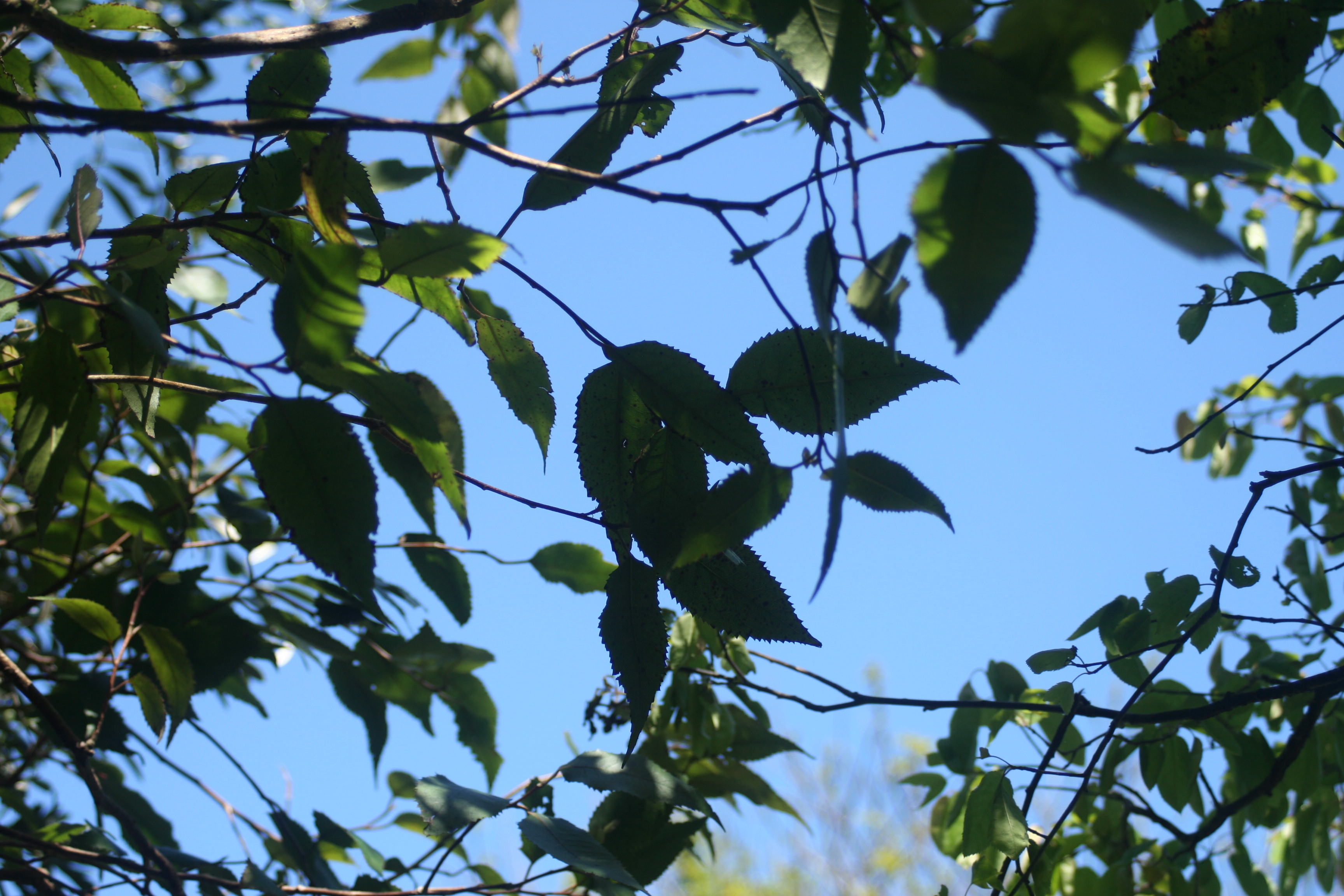
The strong leaves stay intact after a spring gale.
There are quite a few different local varieties of Ribbonwood. The easy version is: Hoheria populnea grows north of the Waikato; Hoheria sextylosa grows south of there and west of the divide; and the Mountain Ribbonwood, smaller and deciduous, thrives in the Alps and south and east of the South Island. (H. glabrata and H. lyalli.) What's more they interbreed, but they are all pretty cold hardy, less so when very young. Plagianthus regius, the Lowland Ribbonwood, is very adaptable and adds a vertical, poplar-like structure to a mixed shelter belt. . Don't be scared to feed the young trees every year as some native trees respond really well to extra fertiliser such as composted manure. Kiln dried pellets are useful as the weed seeds are cooked and are not spread.
Time will tell if this easily grown tree will prove itself to be a reliable wildlife habitat, riparian and shelter species for your own farm tree plans. A quick tour of the beautifully planted farms of Southland will go a long way to convincing you.
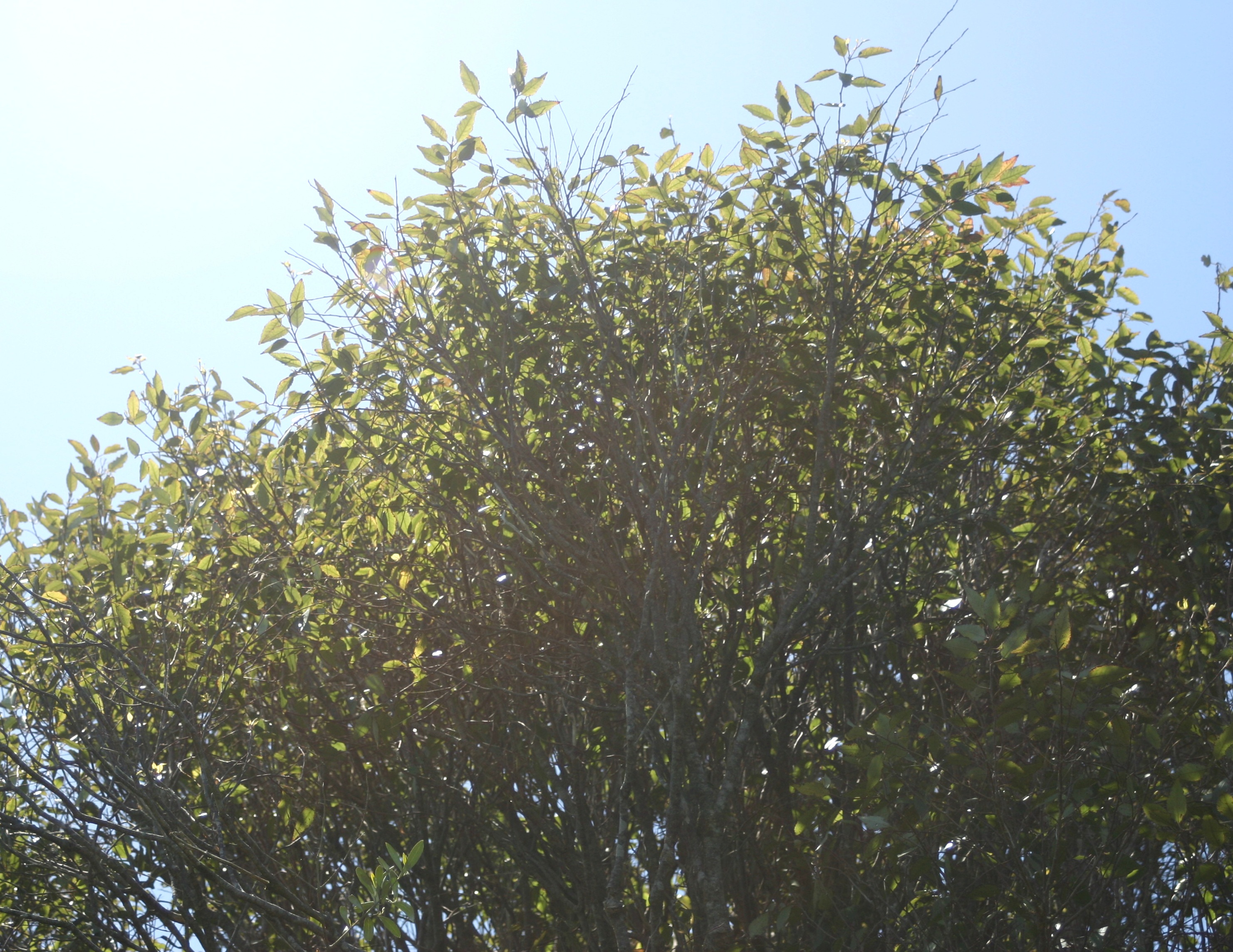
Mature ribbonwood tree, Westland.
Link to community nursery with good diagram of a farm shelter belt profile using ribbonwood. Southland Communtiy Nursery
We grow fruit and timber trees in the extreme climate of the South Island. Explore our mail order nursery for organic fruit and forestry trees.
Back to dialatree - and tree blog archive - www.dialatree.co.nz